Pages

Showing posts with label seasons. Show all posts

Monday, December 8, 2014

Scaly Breasted Munia at Native Place, Kamshet


Winter approaches and at Kamshet the paddy in the fields is ready for harvest. Driving through one can see people hard at work harvesting the grain. 

Last weekend I spotted a Scaly Breasted Munia in the garden from the veranda outside my room at Native Place  – Have only seen these birds once a few monsoons ago and was thrilled to spot  them so close to the house.  They were busy building a nest in the pergola outside the lake front rooms – this was easy to deduce as the birds were flying in and out with long grasses in their beaks and disappearing into the climber cover 
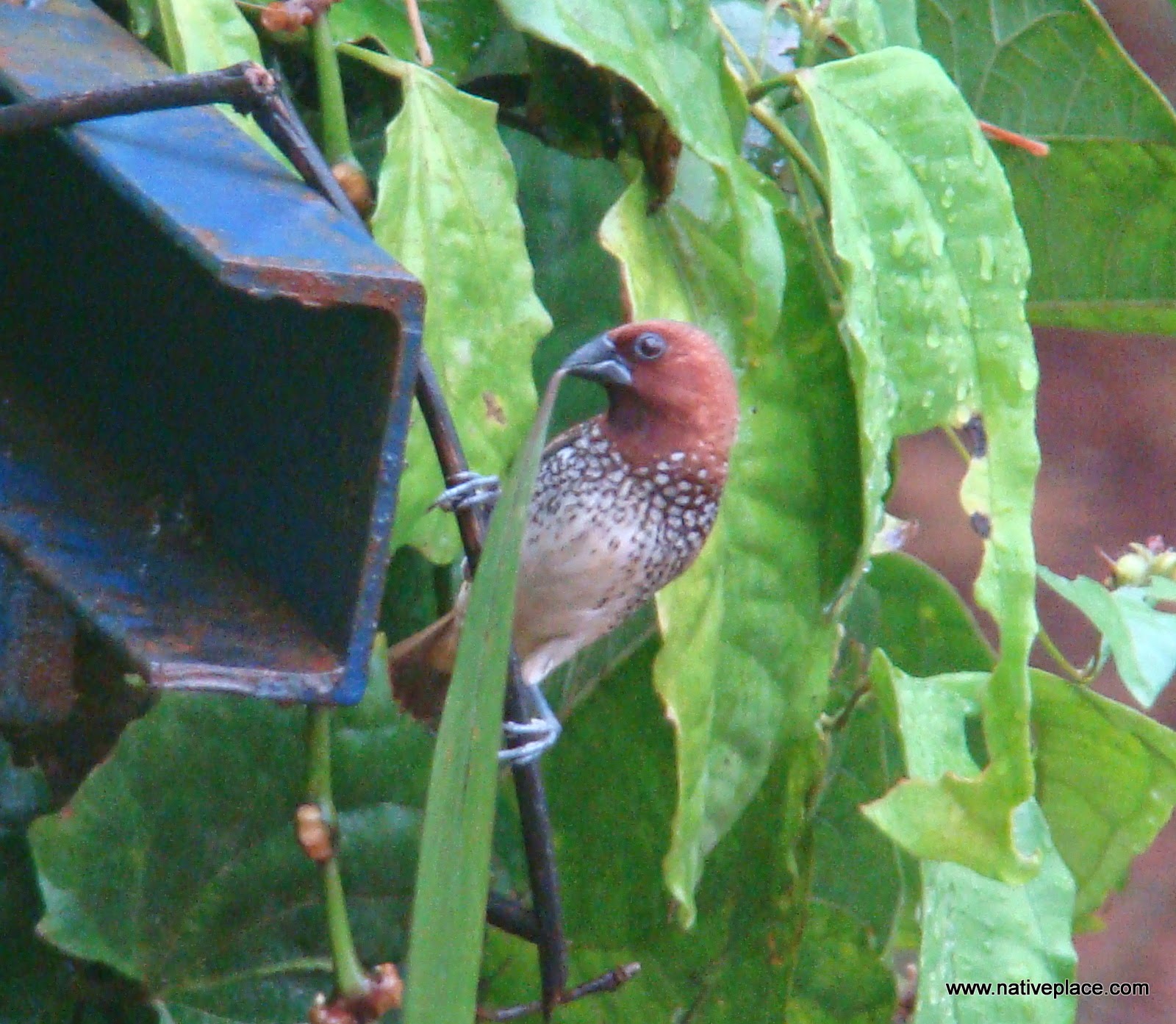
Here is some info on this little bird - The Scaly-breasted Munias breed year round and may have multiple broods on a good year, up to 3-4 broods. The male brings nesting materials while the female builds, often from the inside. In some, the breeding nest is later used as a roosting nest.

The nest is an untidy globe made out of grass and bamboo leaves, with a side entrance.  The nests are not woven and material is simply pushed together. But the nests are well-made, robust and waterproof. The birds work tirelessly and the nest can become an enormous globe. Both parents incubate. The eggs hatch in about 2 weeks and the young are fed entirely vegetable matter, which is regurgitated by the parents. They fledge in 18-19 days. Juveniles often form their own flocks after leaving their parents, and wander about together.  

Astrid Rao 

Monday, August 4, 2014

Whew! The Vadivali Lake is full

Vadivali Lake  -  A view from the Native Place Guesthouse

The monsoon did not start so well this season. There was an air of concern at the Native Place guesthouse. All our staff and most people plant rice and the delayed rain was definitely a problem.

With the signal of the first rains most people had planted out their paddy seeds (they usually save up seed from the last harvest to use the next season) now with the rain playing truant the sun scorched the young paddy seedlings. People had to bear the expense of buying seed and replanting.

Water level on the  21st July

The next question was would there be enough rain to fill up the lake. Our gaze turned to the lake in front of us and the brown banks all around it.  Each time we visited the guesthouse I took pictures from my balcony to monitor the levels of the lake.

Imperceptible change in level on the 27th  July 2014

Last week we drove up to Native Place on Wednesday evening. It was dark when we got there but the next morning (Thursday) I woke up excitedly and stepped out into the balcony camera in hand hoping for a steep increase in levels and there it was – yeaaaaaaaaaaaaah the lake is full. The paddy is thriving in the fields and all is well in our world.

3rd August 2014 - Full to the brim 

The rains played truant in the month of June but thankfully made up in the July.   

Astrid Rao 


Tuesday, July 29, 2014

Pink & Purple


It is the monsoon season and the predominant color is green but pink purple and silver seemed to be the theme of the weekend – there were Michelle’s purple boots that were driving me insane – all I could think of was I want I want I want

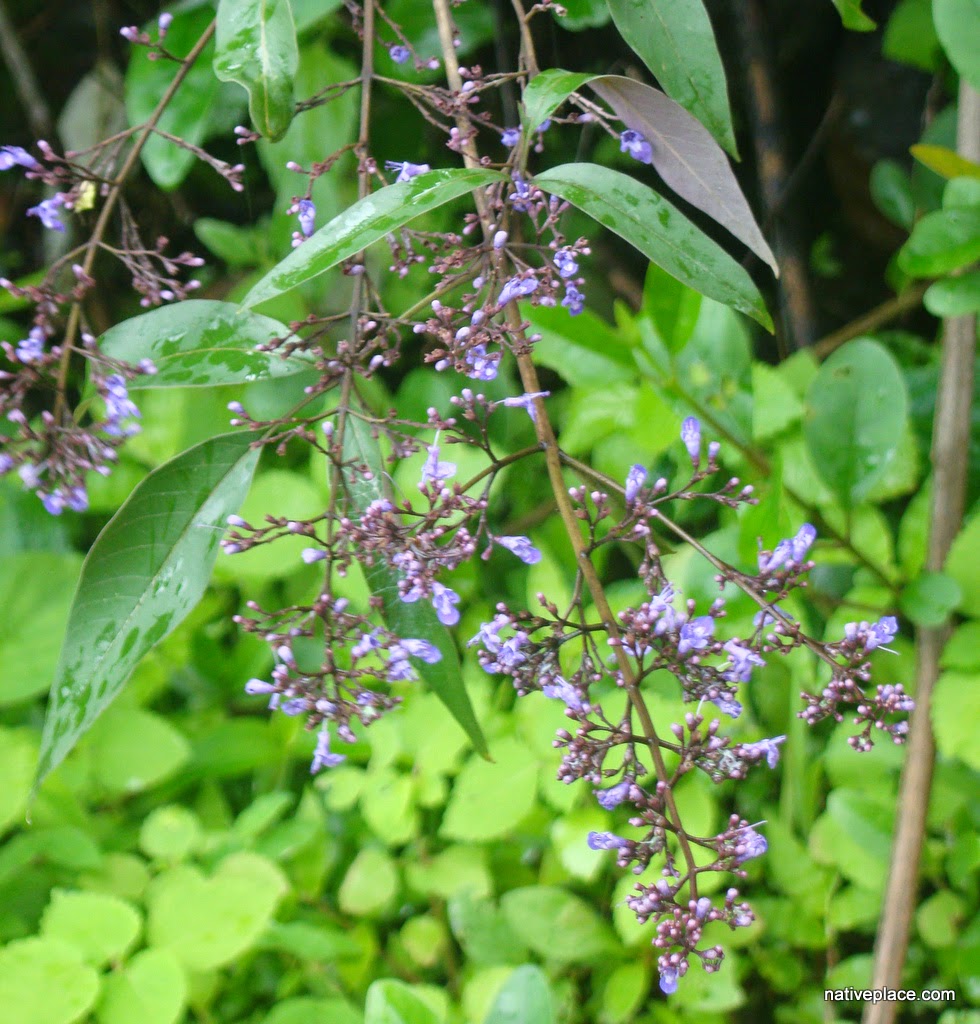
Then we noticed 2 varieties of Vitex Negudo in flower

and the pink frangipani that we had planted 2 years ago

The check dams we had built them in summer seem to be working like magic – tiny little silvery water falls

We came across a tree fall – check Dwane drinking this moss charged water

A medicinal plant in flower – one of the Dashamularisht that is supposed to be in short supply and may be endangered also pink (sorry I don’t know the name)


Green – the color of the paddy we have planted – next weekend is transplanting time so guys if you want to get your feet squishy in muck and plant the rice that we will serve you soon … come on over 


Come on over :)

Peace Bliss & Happy Landings 

Astrid & Sanjay Rao 

Friday, April 11, 2014

Native Place Summer Holidays


Bird excitement continues at the NP guesthouse – the Sunbird who built its nest in trellis framing the lake view gallery, a high traffic zone of the guesthouse, protests loudly each time someone comes by to sit here and enjoy the view. Her chicks have now hatched and she makes frequent trips to feed them.

A pair of sparrows has decided to build its nest above the fuse box in the entrance landing. Their swooping sorties past the sunbirds nest and over all our heads adds to the excitement.  The area has turned into a veritable flying corridor. They have taken to harvesting hay and other building material from another birds nest to speed up their building operation much to the consternation of mama Sunbird. We often hear them squawk as they race each other to the nest building site. They seem to be fooling around like a pair of young lovers running wild on the beach.

And yes the Bulbul's eggs I mentioned in my previous blog have hatched. We got here in time to watch the parents feed the babies for a day before bad weather or some other eventuality L caused the chicks to fall out of the nest. By the next day the parents moved them away and put paid to our ideas of watching them grow and learn how to fly.

The greatest excitement by far has been the daily visit of a pair of Grey Hornbills who appear each evening.  


Astrid Rao 

Wednesday, January 14, 2009

Winter visitors to the Native Place Garden


When i put in a birdbath some months ago i was expecting to attract a number of birds and have a chance to see them in action. Instead the only visitors / users were the crows. Now crows too can be very interesting to watch but I'm sure you won't blame me if i wanted more.

This made me realise that the number of crows had increased greatly and the sightings of smaller birds around were diminishing. That's when Sunita wrote in to tell me to check on the compost pit.

It took a while before i organised a covering over the pit and within a week I noticed a vast difference.

To my delight the number of leaf warblers, spider hunters, sun birds, ioras .... increased. Then we were graced with many sightings of the Goldfronted Chloropsis, a pair of noisy but endearing drongos but the highlight was a pair of grey hornbills that we saw just once (thanks to Doc's sharp ears) but i suspect will visit more often once the Umbar tree ( wild fig) is fruiting.

Cheers to the birds, butterflies, bees, wasps dragonflies and many more interesting creatures that make themselves at home in my garden thereby complementing me on my efforts to make them feel welcome.

Astrid Rao

Saturday, March 15, 2008

The Ides of March


It is not yet the middle of March and the area around Native Place wears a dry, stark, look. The grass has all been foraged and all that is left is bleached out white stubs. The crafty goats seem to prefer the thorny scrub bushes to the unpalatable dry grass. Can’t imagine how much more scorched the land will get over the next two summer months of April and May.

The trees as I mentioned earlier are stoutly holding the fort. Around us the Red Silk Cotton tree and the Indian Coral tree are gloriously in bloom adding bright colors to the stark contrasts in the area as are the Palash (flame of the forest) and the Sterculia (Bonfire tree) that came into their own last month. It’s amazing to see all these fiery brightly colored trees which have common names associated with fire doing their bit for nature’s palette.

Soon we will have the festival of Holi upon us. In earlier times flowers of the Red Silk Cotton and Palash were used to make organic color that was used in the festival. But today ready-made chemical substitutes are widely used instead of organic ones and as the trees loose their uses they loose their place in man’s world.

Wednesday, March 12, 2008

Natures touch


the way to perfect a garden is to leave it touched by nature’s hand”


I took this picture two weeks ago while walking through the garden. Simply had to share it and then i came across the perfect caption.

Astrid Rao

Thursday, March 6, 2008

Green turns to brown


It’s the beginning of March and the garden is now beginning to look brown - the green cover is diminishing and no matter how much we water the ground still looks dry and parched. The weather has changed for sure and for the next few months (March to June) we are going to have to deal with a dry garden as opposed to a lush one. Come June and the monsoons and it will be verdant once more.

It’s the trees however that seem to be holding up the show. They make perfect places to sit under and ruminate; to savor scents; hear the wind in the trees; or watch the dappling of sunlight stream through the leaf canopy. As summer approaches their popularity will soar amongst visitors vying for the cool shady spots below, as well as amongst the birds, insects and tiny mammals and reptiles that find refuge, nesting ground and unlimited supplies of food and building materials here.

Astrid Rao